CONTENT
FREQUENTLY ASKED QUESTIONS
 

PRIORITY MESSAGE

HOME

THE CALENDAR
About /
Reasons/History
Compare!

Ecological
FAQ

THE ASSOCIATION
Name/Logo
Global
History
-- Early
-- 2000
Membership

RESOURCES:
Journal of
Calendar Reform

--1930-1955
--1955-2012
Publicity

GUESTBOOK

WEBMAIL

CONTACT US


JOIN US
TODAY


E-mail YOUR question to FAQ@TheWorldCalendar.org!

Q: What happens to my birthday or anniversary if the day no longer appears in The World Calendar?

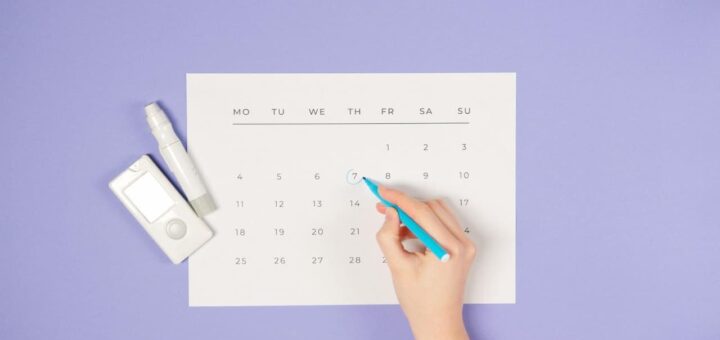
A: The World Calendar allocates 30 days each in March, May, August and December. Birthdays and other anniversaries that used the Gregorian 31st day in those months will typically use the 30th of the same month for purposes of observance in The World Calendar. As with either calendar, actual celebration dates typically vary according to preference and convenience. Dropping the 31st does not change the fact that an event actually occurred on the 31st. Records such as birth certificates and drivers licenses continue to use the 31st whenever that is the accurate date from the past. Similarly, obituaries list actual dates, even if The World Calendar no longer uses it. Starting in 2012, without additional repetitions of those four days numbered 31, no more history will be created for them.

Q: Why is the World Calendar better than the present Gregorian Calendar?

A: IT'S SIMPLE! The logic and simplicity allow instant access from memory without references to paper or computer. Schools and businesses no longer need to juggle around annually shifting combinations of holidays. Equal length quarters allow for better comparisons. Worlds Day and Leap-year Day holidays can help bring a sense of world unity as individuals everywhere celebrate according to their own particular preferences.

ALSO, this planet and its growing population will fare better ecologically without an outmoded calendar unnecessarily drawing upon natural resources. Because it is perpetual, the World Calendar is reusable year after year.

Q: Why change in 2012?

A: The year 2011 ends on Saturday and the World Calendar always begins on Sunday. This combination allows for transition without any disruption to the flow of daily activity.

Q: IF not 2012, when?

A: Other Gregorian calendar years that begin on Sunday would allow similar transition. The earliest recent date would have been 2006, but the size of this project made that seem unreasonably soon. After 2012, 2017 is the next Gregorian year that begins on Sunday.

Q: HOW could I have missed knowing about The World Calendar before now?

A: There might not be any single answer, so don't feel like you've been missing out on something obvious. Any answer might include some guesswork since anyone who heard of The World Calendar last century can't say why they didn't and anyone who didn't is left asking why not?

The last serious attempt to reform the calender ended in the early 1950s, about the time black and white televisions were becoming available for home use. Personal computers and satellites to connect them were still decades away. Each advance helped the spread of ideas become less easily controlled. One thing for sure is that we're glad you are learning about The World Calendar this time around.


E-mail YOUR question to FAQ@TheWorldCalendar.org!


HOME


Copyright © 2006 The World Calendar Association - International

Rev. 2 May 2006